When Ductwork Is Past Cleaning and Needs Repair
Cleaning can't fix crushed, torn, disconnected or wet ductwork. Signs your ducts need an HVAC contractor instead of, or before, a cleaning.
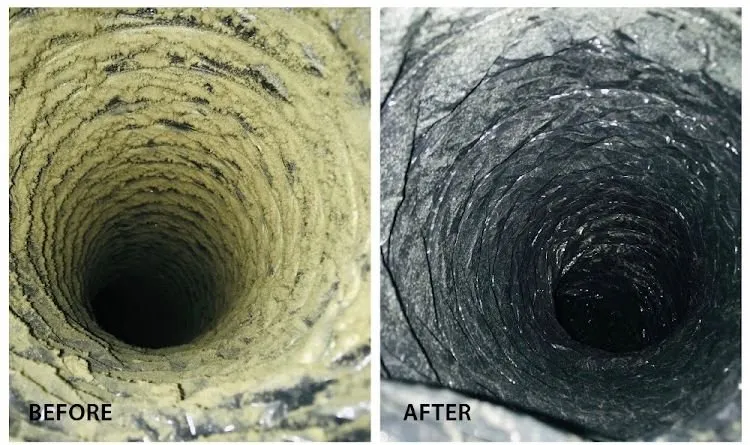
Duct cleaning is good at one thing: removing dust and debris from inside your ductwork. It's not a repair. And in some homes, the ducts have problems that cleaning can't touch.
Knowing the difference saves you from paying for the wrong service. Here's how to tell when ductwork in your St. Augustine home may be past cleaning, and what to do instead.
What cleaning can and can't do
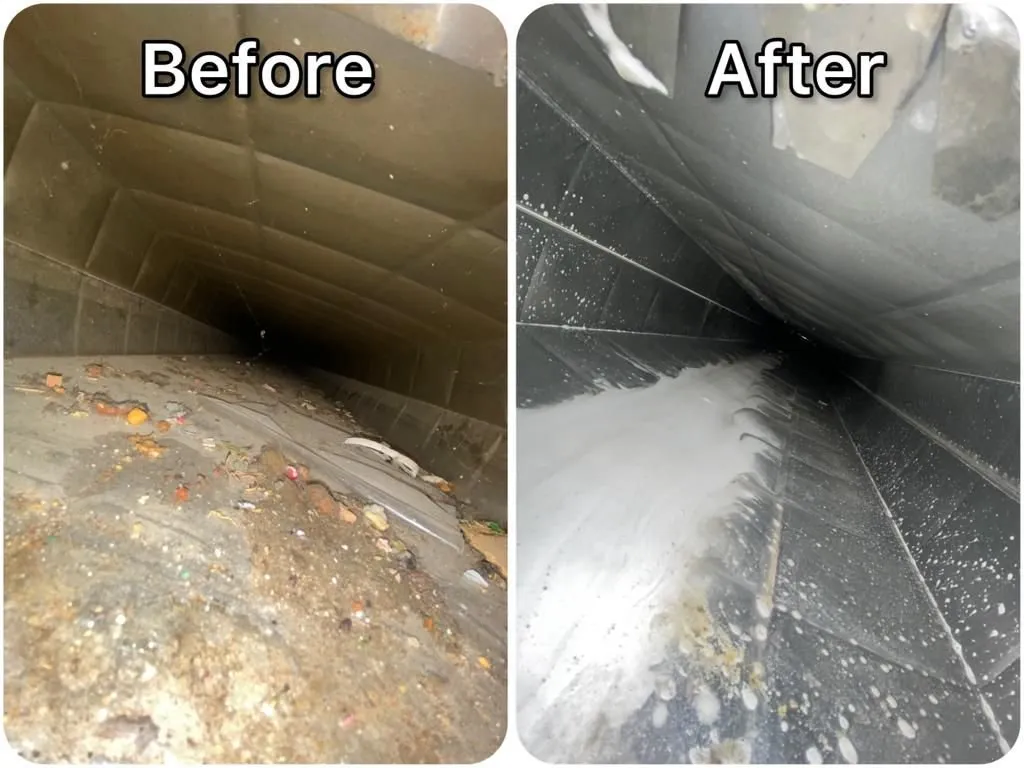
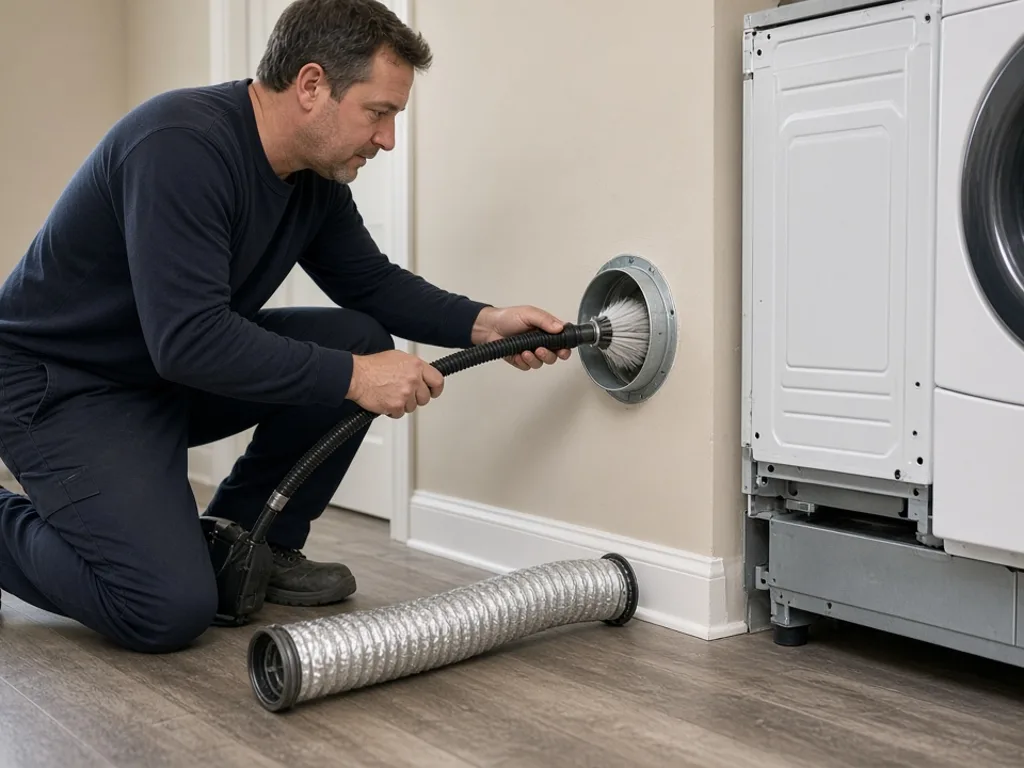
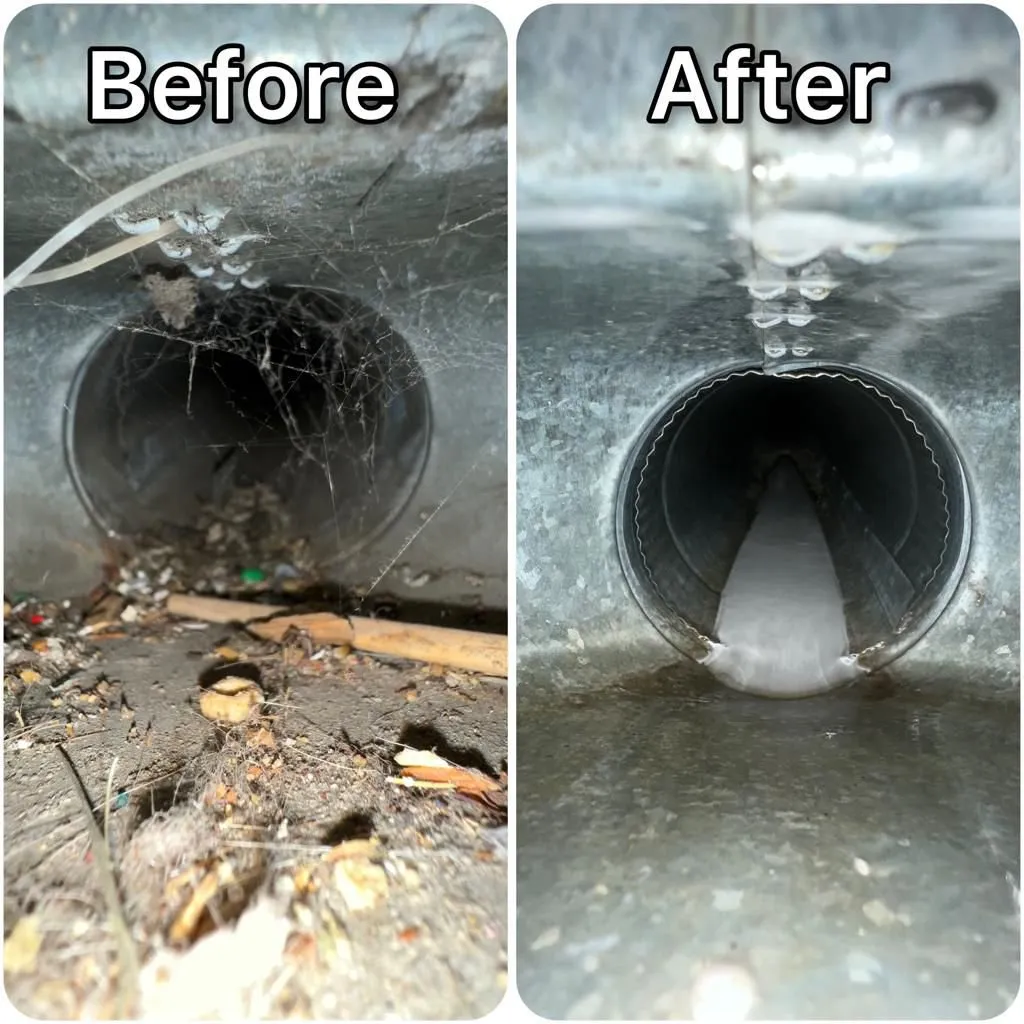
A proper duct cleaning loosens buildup inside the ducts with rotating brushes and removes it with a HEPA-filtered vacuum. It's the right choice when ducts are structurally sound but dirty, with heavy dust, debris from a remodel or particles blowing out of the registers.
Cleaning can't:
- Reconnect a duct that has come apart
- Patch a tear or hole
- Restore a crushed or collapsed duct
- Fix wet or mold-contaminated insulation
- Change the size or layout of the system
Those are repair or replacement jobs for an HVAC contractor.
Signs the problem is the duct itself
Some signs point to damage rather than dirt:
- A room that gets little or no air, even with the register open and the filter clean
- Visible damage in the attic, like flex duct that's flattened, kinked, sagging badly or torn
- Ducts lying disconnected from a register boot or trunk
- Insulation or debris blowing out of registers
- Condensation or water stains on ceilings near registers or around ductwork
- A musty smell from the system
In a hot, humid climate with ducts in the attic, damaged or disconnected ducts are worth taking seriously. The Building America Solution Center, a U.S. Department of Energy resource, covers how ducts in unconditioned spaces like attics can leak conditioned air, and how sealing and repairing them is handled.
When the EPA says replace, not clean
The EPA's guidance on air duct cleaning is direct about insulated ducts: if the insulation gets wet or moldy, it cannot be effectively cleaned and should be removed and replaced. The EPA adds that EPA, NADCA and NAIMA all recommend replacing wet or moldy fiberglass duct material, and that this should be done by a qualified heating and cooling contractor.
For flexible duct, the EPA notes that although it can be cleaned, it can be more economical to simply replace accessible flex duct.
And if mold growth is the issue, the EPA says it will come back unless the conditions that caused it are corrected. That means finding and fixing the moisture source, which is HVAC work.
What happens if we find damage
During a cleaning, we may come across problems: a disconnected run, a torn section of flex duct or a crushed duct. When we do, we'll point it out so you can have it repaired. We don't do HVAC repairs, so we'll recommend calling an HVAC contractor.
In some cases, it makes sense to have repairs done first and the cleaning after, so new and existing sections are clean together. In others, cleaning the sound parts of the system now and repairing a single damaged run later is fine. Your HVAC contractor can help you decide.
When you call an HVAC contractor about ductwork, it helps to ask specific questions:
- Which sections are damaged, and can they be repaired or do they need replacing?
- Is any insulation wet, and where is the moisture coming from?
- Are any runs disconnected, and where?
- Would sealing the duct connections be appropriate for my system?
- Is the airflow problem in one room caused by the duct, or by how the system was designed?
Ask for the findings in writing so you can compare options and know which sections are new afterward.
Getting the order right
- If you suspect damage, have an HVAC contractor inspect the ductwork first.
- Repair or replace what's damaged, wet or moldy.
- Then clean if the remaining ductwork has heavy dust or debris.
- Keep it clean with regular filter changes. The EPA recommends the highest-efficiency filter your system's manufacturer allows.
When the ducts are sound and just dirty, our air duct cleaning is $199 for a system with up to 10 vents and $29 per extra vent. For individual runs that need more attention, deep duct cleaning is $59.99 per vent. You can compare all services on our pricing page.
See the full list of areas we serve near St. Augustine.
For the difference between cleaning and system service, see our post on duct cleaning vs. HVAC maintenance. To have your ducts cleaned, request a free estimate from Beitar Air Duct Cleaning.
Sources
- Should You Have the Air Ducts in Your Home Cleaned?, U.S. EPA, last updated February 19, 2026
- Proper Clothes Dryer Venting, Building America Solution Center (PNNL, U.S. DOE), last updated October 7, 2022
- Air Seal and Repair Ducts, Building America Solution Center (PNNL, U.S. DOE), last updated September 11, 2025